Planning an Outdoor Event: The Supplier Checklist
Festivals & Outdoor
The Suppliers Nobody Thinks About Until It Is Too Late
Outdoor events - whether a village fête, a charity fundraiser, a company summer party, or a small festival - involve a longer supplier list than most indoor events. The obvious categories get booked early: food, entertainment, a marquee. The less obvious ones get forgotten until a week before, when you realise you have 200 guests and nowhere for them to use the toilet.
This guide is structured as a checklist. Each section covers a supplier category, explains why it matters, and lists what to confirm before you book. Work through it in order and you will cover the areas that most commonly catch outdoor event organisers off guard.
1. Marquee or Structure Hire
Unless your event is genuinely weatherproof without cover, you need a structure of some kind. Even in summer, British weather is unpredictable, and guests standing in rain without shelter will leave.
Types to consider
- Traditional pole marquees - elegant, but need more space due to guy ropes and cannot go on hard surfaces
- Frame marquees - more versatile, no central poles, can be erected on most surfaces
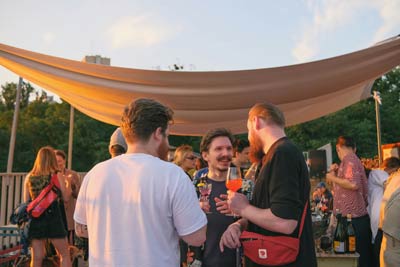
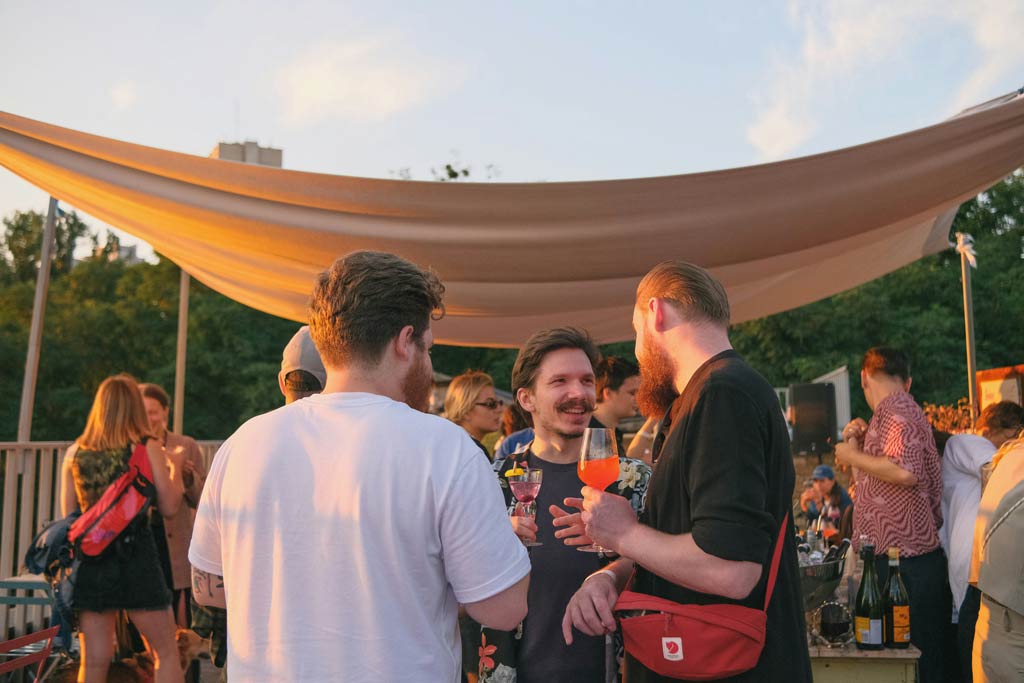
- Stretch tents - modern look, good for informal events, but less weather protection than a fully enclosed marquee
- Pagodas and gazebos - useful as bar or food serving points rather than main structures
What to confirm
- Ground conditions at the site - grass, gravel, tarmac? This affects which types of structure are suitable
- Total footprint including guy ropes and access clearance
- Whether the supplier provides flooring, lighting, heating, and furniture, or whether these are separate hires
- Setup and breakdown schedule - most marquees need to go up at least a day before the event
- Wind and weather policies - at what point does the supplier deem it unsafe?
2. Power Supply
This is the category most likely to cause problems on the day if it is not planned properly. Almost every other supplier on this list needs power: food vendors, lighting, sound equipment, refrigeration, welfare facilities.
Options
- Mains connection - if your site has access to mains power, check the available amperage. A standard domestic 13A socket will not run a catering trailer, lighting rig, and PA system simultaneously.
- Generator hire - the most common solution for field events. Generators are rated in kVA; your hire company can help calculate what you need based on your equipment list.
- Hybrid or solar generators - quieter and suitable for smaller events, but not yet powerful enough for most large setups.
What to confirm
- Total power requirements across all suppliers (ask each supplier what they need)
- Generator placement - they are noisy, so position them away from performance and dining areas
- Fuel supply and refuelling schedule for multi-day events
- A qualified electrician to handle distribution if you are running power to multiple points
- Emergency backup plan if the generator fails
3. Welfare Facilities
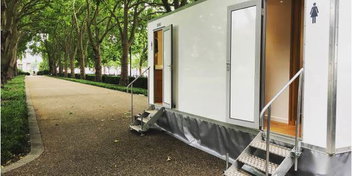
Toilets. It is not glamorous, but it is essential, and getting the ratio wrong is one of the quickest ways to ruin an event.
How many do you need?
The industry guideline for a six-hour event is roughly one toilet per 100 guests for men and one per 75 guests for women. For events where alcohol is served, increase this by 20–30%. These are minimums - more is always better.
Types
- Standard portable toilets - functional, affordable, suitable for daytime events
- Luxury toilet trailers - flushing toilets, mirrors, lighting, hand wash. Noticeably better guest experience and worth the premium for evening events or corporate functions
- Accessible units - at least one accessible toilet is both a legal expectation and basic decency. Check that the ground between the event area and the accessible unit is level and firm enough for wheelchair access
What to confirm
- Delivery and collection times
- Whether servicing is included for multi-day events
- Water supply requirements - luxury trailers need a water connection or a bowser
- Waste removal - confirm who is responsible for pump-out and when
- Hand washing provision - standalone handwash stations if not included in the toilet units
4. Ground Protection
If your event is on grass and you expect more than 50 people, the ground will suffer - especially in wet conditions. Vehicle access, foot traffic near entrances, and areas around food stalls and bars take the most damage.
Options
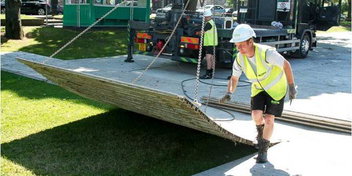
- Trackway panels - heavy-duty plastic or aluminium panels for vehicle routes and high-traffic areas
- Ground mats - lighter duty, suitable for pedestrian areas
- Woodchip or straw - cheap but messy and not reusable. Acceptable for informal events
What to confirm
- Which areas need protection (plot them on a site map)
- Load-bearing requirements - will vehicles drive over the protected areas, or pedestrians only?
- Delivery and collection logistics - trackway panels are heavy and need a vehicle for installation
- Who is responsible for removing and returning the ground protection after the event?
5. Food and Drink
Outdoor catering is a separate discipline from indoor catering. The logistics are different, the equipment needs are different, and the regulations around food hygiene still apply.
What to confirm with food vendors
- Food hygiene rating - check the vendor’s rating on the Food Standards Agency website. A rating of 5 is ideal; anything below 3 is a concern.
- Power requirements - most food trailers need a 16A or 32A supply. Confirm this with your power supplier.
- Water and waste - does the vendor need a water supply? Where will waste water be disposed of?
- Positioning - food vendors need level ground, proximity to power, and enough space for queuing without blocking walkways
- Menu and allergen information - ask for this in advance so you can share it with guests
For bars and alcohol service
- Premises licence or Temporary Event Notice (TEN) - if you are selling alcohol, you need a licence. A TEN covers events of up to 499 people and must be submitted to your local council at least ten working days in advance (though earlier is strongly advised). For larger events, you need a premises licence.
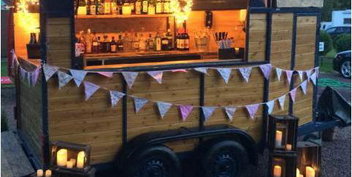
- Bar supplier - mobile bar companies bring the equipment, stock, and staff. Clarify whether they operate on a cash bar basis (guests buy their own drinks) or a tab (you pay upfront). Confirm what brands they stock and whether they can accommodate specific requests.
6. Sound and Lighting
Even a modest outdoor event benefits from some form of PA system - for announcements if nothing else. And once the sun goes down, you need lighting for safety as well as atmosphere.
What to confirm
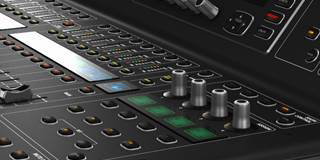
- PA system - adequate for the size of the space. Outdoor sound disperses quickly, so you typically need more power than you would indoors.
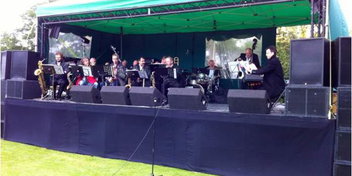
- Stage or performance area - does the act bring their own, or do you need to hire one?
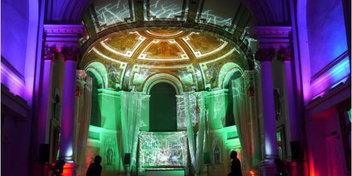
- Lighting - festoon lights for atmosphere, floodlights for safety around walkways and exits, task lighting for food and bar areas
- Noise restrictions - check with the local council. Many areas have noise limits, and you may need to apply for a noise licence or adhere to a curfew.
7. Weather Contingency
You cannot control the weather, but you can plan for it.
In case of rain
- Are your structures fully waterproof?
- Is there hard standing or ground protection on routes between areas?
- Do your suppliers have wet-weather policies? (Inflatables and some outdoor activities cannot operate in heavy rain or high wind)
In case of heat
- Is there shade available, or do you need to provide it?
- Do you have enough drinking water provision for guests and staff?
- Are there cool areas where vulnerable guests can rest?
In case of wind
- At what wind speed do your structures become unsafe? (Your marquee supplier will have a specific threshold)
- Are signage, decorations, and loose items secured?
- Do you have a decision-making timeline - at what point do you cancel or modify the event?
8. Waste Management
An outdoor event with 200 guests generates a significant amount of waste. If the site does not have permanent waste facilities, you need to arrange:
- Bins - general waste, recycling, and food waste. More bins mean less litter.
- Collection - a waste management company to collect and dispose of everything after the event
- Litter picking - during and after the event. For larger events, hire a litter-picking team rather than relying on volunteers.
9. First Aid
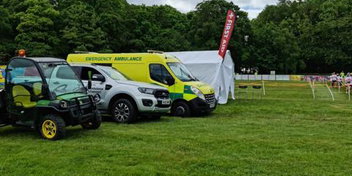
For any public event, you should have first aid provision. The level depends on the event size and risk profile.
- Under 100 guests - a trained first aider with a kit is usually sufficient
- 100–500 guests - a professional first aid provider with at least two responders
- 500+ guests - a full medical team with vehicle access and liaison with local ambulance services
Check whether your public liability insurance requires a specific level of first aid cover.
10. Signage and Wayfinding
Guests arriving at an outdoor event need to know where to park, where to enter, where the toilets are, and where the exits are. This is a safety issue as much as a convenience one.
- Directional signage from the nearest road to the site entrance
- Car parking signage and marshalling
- Internal wayfinding - toilets, first aid, exits, stage, food area
- Emergency exit signage - legally required for any event with a structure
Pulling It Together
Once you have worked through each category, plot everything on a site plan: structures, power, toilets, food, bars, stage, parking, access routes, and emergency exits. This plan becomes your master document for coordinating suppliers and is required by your local authority if you are applying for a premises licence or event notice.
Share the plan with every supplier in advance, along with their specific arrival time, setup location, and access route. On the day, walk the site before gates open and check each area against the plan. The time you invest in preparation is the time you do not spend solving preventable problems in front of your guests.