How to Plan a Hen Party: A Practical Organiser's Guide
Parties

You Have Been Given the Job. Now What?
Being asked to organise a hen party is a compliment, in theory. In practice, it means coordinating a group of people with different budgets, different tastes, and different levels of enthusiasm - while the bride tries not to interfere but secretly has strong opinions.
This guide assumes you are the organiser, it is your first time doing this, and you want to get it right without losing your mind. It covers the decisions you need to make, the order in which to make them, and the things that commonly go wrong.
Start With a Conversation, Not a Group Chat
The instinct is to create a WhatsApp group and throw ideas at the wall. Resist this. Twenty people offering competing suggestions in a group chat is not planning - it is chaos that ends with everyone frustrated and nothing decided.
Instead, speak to the bride one-on-one first. Find out:
- What does she actually want? Some brides want a big night out. Others want a quiet weekend away. Some want activities. Others want to sit in a garden and drink wine. Do not assume.
- Is there anything she definitely does not want? Strippers, matching t-shirts, public dares - ask directly, because she may not volunteer this.
- Who should be invited? The bride’s list, not yours. Check whether it includes colleagues, family, or just close friends, because this affects the tone and budget.
- Are there any dates that do not work? Nail this down before you poll the wider group.
Once you have the bride’s brief, you have a framework. Everything else follows from it.
The Budget Conversation
This is the part nobody enjoys. Hen parties have become increasingly expensive, and what feels affordable to one person can be unrealistic for another. Mishandled budgets cause more resentment than any other aspect of hen party planning.
How to handle it
- Work out the total cost of what you are planning before you tell anyone the per-person amount. Include venue hire, activities, food, drink, transport, accommodation, and a contingency for extras.
- Divide by the number of attendees. Be realistic about who will actually come - use the smaller estimate, not the optimistic one.
- Communicate the cost early and clearly. “The hen party will cost approximately £X per person, which covers [list]. Let me know by [date] if you are in.” No ambiguity, no drip-feeding of extra costs later.
- Offer a way out. Some people cannot afford it or cannot attend. Make it easy to decline without guilt. “No worries at all if it does not work for you” is a sentence you should use more than once.
If the per-person cost is coming out higher than you are comfortable with, scale back the plan rather than pressuring people to stretch. A hen party where everyone is relaxed about the cost is better than an elaborate one where half the group is quietly resentful.
Paying the bride’s share
It is customary for the group to cover the bride’s costs. Factor this in when calculating the per-person price - divide the total by the number of paying guests, not the total number of attendees.
Choosing Activities and Suppliers
Once you know the budget and the guest list, you can start planning the actual day or weekend.
Structure the day in blocks
Rather than booking one continuous activity, think in blocks:
- Daytime activity - something structured (cocktail making, life drawing, pottery, spa, afternoon tea, dance class)
- Transition - free time to get ready, regroup, or rest
- Evening - dinner, drinks, going out, or staying in with entertainment
Not every block needs a booked supplier. Some of the best hen party moments are the unstructured ones - getting ready together, walking between venues, sitting around a table with a bottle of wine. Leave breathing room.
What to look for in a supplier
When booking activities or entertainment, check:
- Group size minimums and maximums. Some activities need a minimum of 8; others cap at 12. Check this against your confirmed numbers.
- Deposits and cancellation terms. Hen party numbers are notoriously unstable. What happens if three people drop out? Can you reduce numbers without losing the full deposit?
- What is included in the price. A cocktail-making class might include two drinks; a third might cost extra. A private dining package might not include wine. Ask.
- Accessibility. Can every guest participate? If someone is pregnant, has a mobility issue, or does not drink, will they feel excluded?
- Location and logistics. How far is the activity from where you are staying? Do you need transport between venues? Is there parking?
If you are comparing suppliers for the same type of activity, request quotes with the same brief - date, group size, what you want - so you are comparing like with like.
Managing the Group
This is the hidden work of organising a hen party: keeping people informed, committed, and on schedule without becoming a nag.
Communication
- Use a group chat for logistics only - dates, costs, meeting times. Keep it factual.
- Use a shared document or spreadsheet for money tracking. Note who has paid, who owes what, and what each payment covers. Transparency prevents awkwardness.
- Send a final itinerary 48 hours before the event. Include times, addresses, dress code (if any), and what people need to bring.
Dropouts
People will drop out. It happens on every hen party. Plan for it by:
- Not committing to final numbers until the last possible moment
- Checking cancellation terms before booking anything
- Having a clear policy: if someone drops out after the booking deadline, do they still owe their share? Decide this upfront and communicate it early.
On the day
You are the organiser, not the entertainer. Your job is to make sure everyone knows where to be and when, that the suppliers have what they need, and that the bride has a good time. You do not have to personally keep the energy up, manage every conversation, or fix every mood. Delegate tasks - someone else can be in charge of the playlist, someone else can handle the restaurant booking, someone else can look after the decorations.
Common Pitfalls
Overplanning. Filling every minute with activities leaves no room for spontaneity and exhausts everyone. Build in downtime.
Underestimating travel time. If you are moving between venues, check actual travel times - not Google Maps estimates at 10am on a Tuesday, but realistic times for a Saturday afternoon with a group of people who are not in a hurry.
Ignoring the bride’s preferences. It sounds obvious, but it happens. The bride said she wanted low-key and you have booked a drag brunch, a bar crawl, and a nightclub. Check in with her throughout the planning process.
Surprise elements that go wrong. Surprises are lovely when they work. When they do not - the wrong restaurant, a clashing activity, a performer who does not read the room - there is no fallback. If you want a surprise element, keep it small and recoverable.
Not factoring in non-drinkers. Not everyone drinks, and a hen party centred entirely on alcohol excludes them. Make sure there are parts of the day that do not revolve around drinking - an activity, a meal, a walk.
Suppliers Worth Considering
Depending on your plan, some supplier categories to think about:
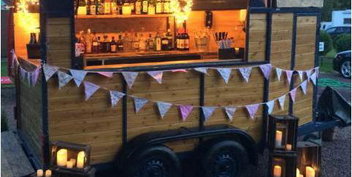
- Mobile bars - useful for house parties or self-catered venues where you want cocktails without the pub markup
- Photographers - a professional for an hour captures the group properly, rather than relying on phone photos where someone is always missing
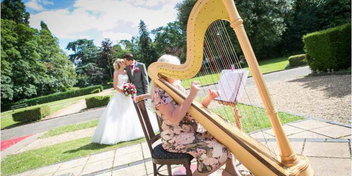
- Entertainers - life drawing models, dance instructors, quiz hosts. Book through a platform where you can compare options and read reviews
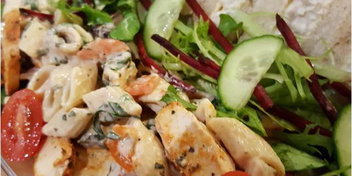
- Private dining - many restaurants offer set menus for groups, which simplifies ordering and splits
A Final Note
The best hen parties are the ones where the organiser did the boring work in advance - confirmed numbers, managed the money, booked reliable suppliers, and communicated clearly - so that on the day, everyone (including the organiser) could relax and enjoy it.
You will not get everything right. Something will go slightly sideways. That is fine. The bride will remember the people, not the logistics.