Wedding Entertainment Ideas Beyond the Dance Floor
Weddings
The Slots Nobody Plans For
Most couples spend time choosing their evening band or DJ, and rightly so - it is the centrepiece of the reception. But there are three other stretches of a wedding day that often go unplanned, and they are the points where energy can dip, children get restless, and guests start checking their phones.
These are: the drinks reception, the gap between ceremony and wedding breakfast, and the final hour of the night. Each has its own requirements, and each benefits from a different kind of entertainment. This guide covers what works in each slot and what to consider before booking.
The Drinks Reception
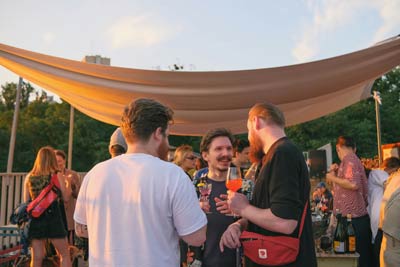
This is the period immediately after the ceremony - usually 60 to 90 minutes while photographs are taken and the room is turned around for the meal. Guests are standing, often outdoors, and the mood is relaxed but social.
What works here
Close-up magic. A magician who moves between groups is one of the most effective forms of drinks reception entertainment. It gives guests something to talk about, works in any space, and does not require staging, power, or amplification. When booking a close-up magician, ask how they handle shy guests and large groups - a good performer reads the room rather than forcing participation.
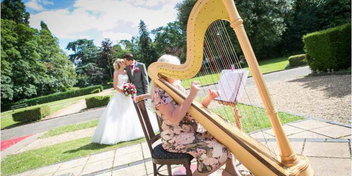
Acoustic music. A solo guitarist, duo, or small jazz ensemble provides atmosphere without competing with conversation. Keep the volume low enough that guests can talk comfortably. If you are outdoors, check whether the musicians need a power source for amplification.
Lawn games. Croquet, giant Jenga, or boules work well if you have outdoor space. They are cheap to hire, give guests something to do, and create natural photo opportunities. The downside: they depend on weather and enough flat ground.
What to watch out for
Anything that requires guests to queue or commit time tends to fall flat during the drinks reception. People want to mingle, not wait in line. Save structured activities for later.
The Afternoon Gap
On a traditional wedding timeline, there can be a stretch between the end of the meal and the start of the evening reception - sometimes two hours or more, particularly if the room needs to be rearranged. This is the slot where energy drops and older guests consider leaving.
What works here
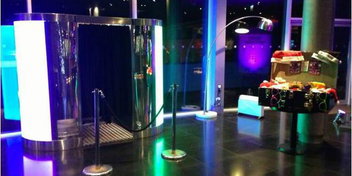
Photo booths. This is the ideal time for a photo booth. Guests have eaten, they are relaxed, and they have time to queue without missing anything. Look for a supplier who provides props, an attendant, and a guest book option. Ask about print quality and turnaround - some booths print on the spot, others only provide digital copies.
Caricaturists and sketch artists. Like close-up magicians, they work well as roaming entertainment. Guests get a keepsake, and the process itself becomes a talking point. Check how long each drawing takes - if it is ten minutes per person, the artist will only reach a fraction of your guests, so set expectations accordingly.
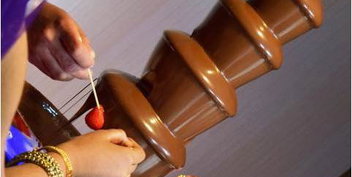
Garden games or interactive food stations. An ice cream cart, a crêpe station, or a cocktail-making class gives guests a reason to move around and something to look forward to. These work particularly well for mixed age groups - children and adults both respond to food-based entertainment.
What to watch out for
Avoid scheduling entertainment that competes with the couple. If the bride and groom are still circulating, taking photos, or doing speeches, anything too loud or attention-grabbing will split the room. Background entertainment works better here than a performance.
The End of the Night
The last 30 to 45 minutes of a wedding reception often trails off. The dance floor thins, the bar is winding down, and there is an awkward transition between party and departure. A little planning here can finish the night on a high.
What works here
Acoustic wind-down set. Some bands offer a short unplugged set to close the evening - familiar songs played quietly while guests gather for the send-off. This creates a natural shift in energy and signals that the night is drawing to a close without abruptly killing the mood.
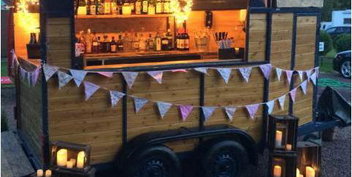
A food station. Pizza, bacon rolls, or a chip van placed near the exit gives guests a reason to linger in a relaxed way rather than drifting off. It also soaks up the drinks. If you are considering this, check whether your venue allows external catering and whether you need a power supply for the vendor.
Sparkler send-off. Simple, inexpensive, and photogenic. Buy long-burn sparklers (the short ones are not worth it), assign someone to hand them out and light them, and brief your photographer in advance.
What to watch out for
Anything that requires full guest participation at midnight will only work if most people are still there. Be realistic about numbers. If half the guests will have left by 11pm, plan for the crowd you will have, not the one you hope for.
Mixed Age Groups
Many weddings include guests ranging from toddlers to grandparents, and entertainment that delights one group can alienate another. A few principles help:
- Variety over volume. Two or three different things happening at once (a musician in one area, a game in another, a photo booth in the corner) lets guests self-select.
- Keep children in mind but do not build the day around them. A dedicated children’s entertainer during the meal can be genuinely useful - it lets parents relax. But for the rest of the day, general entertainment that happens to be family-friendly (magic, games, food) works better than specifically child-oriented acts.
- Be mindful of noise. Older guests and very young children both struggle with sustained loud music. If your venue has separate spaces, use them.
Space and Noise Requirements
Before booking any entertainment, check the following with your venue:
- Power supply. Photo booths, food carts, and some musical acts need mains power. Know where the sockets are and whether you need extension leads.
- Space. A photo booth needs roughly 3m x 2m. A band needs a stage area. Lawn games need flat ground. Measure before you commit.
- Noise restrictions. Many venues, especially those in residential areas, have curfews or decibel limits. This may affect your choice of evening entertainment and the volume of any afternoon acts.
- Corkage and catering rules. If you are bringing in an external food vendor, check whether the venue charges corkage or restricts outside catering.
What to Ask a Supplier Before Booking
Regardless of the type of entertainment, these questions will help you avoid surprises:
- How long is the performance or service, and can you adjust it to fit our timeline?
- What do you need from us - power, space, a table, shelter?
- Do you have public liability insurance?
- What happens if you are ill on the day - do you have a backup?
- Can we see reviews or references from recent weddings?
- What is your cancellation policy?
Getting clear answers to these early saves time and stress later, and any professional supplier will expect them. When comparing quotes, check what is included - some headline prices exclude travel, setup time, or equipment hire, and the true cost only becomes clear once you ask.